.svg)



Selective Pallet Racking Systems vs Pallet Flow Racking: Comprehensive Comparison and Warehouse Storage Solutions
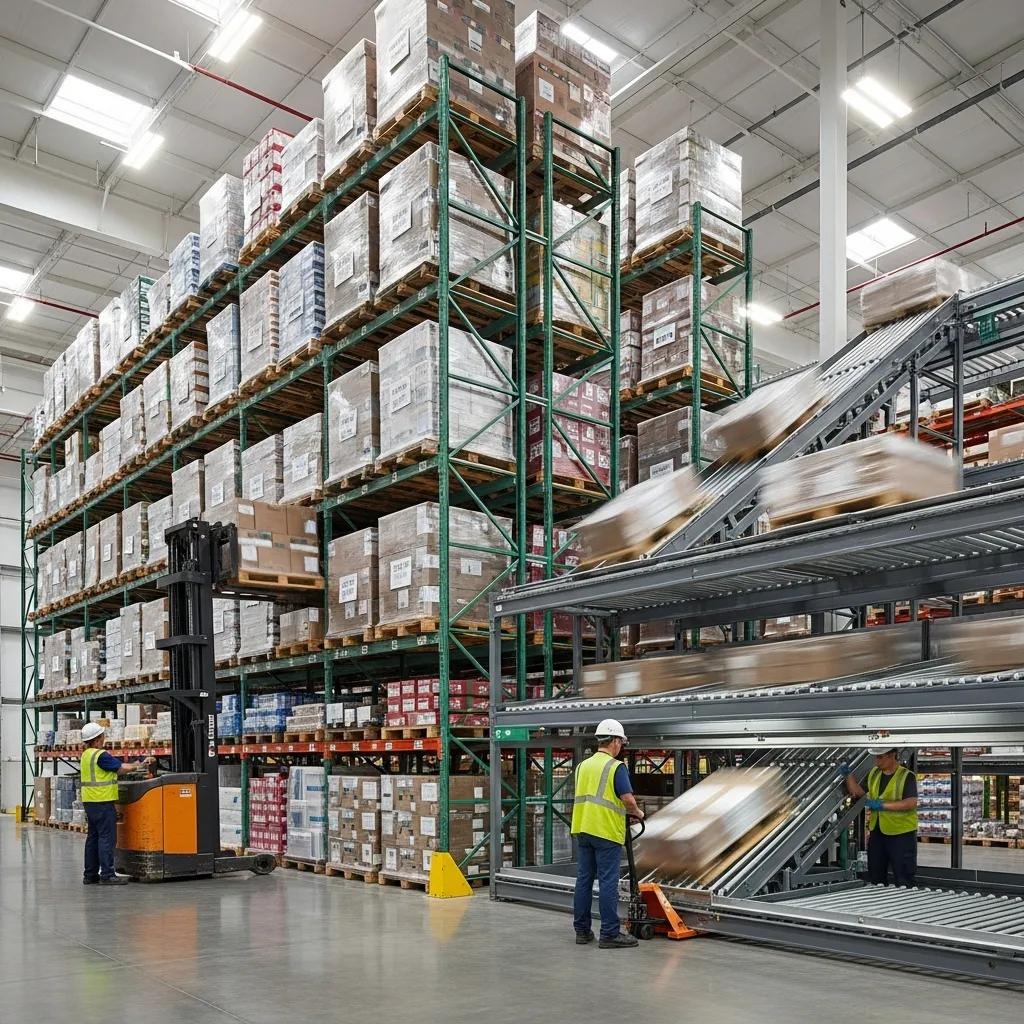
In the realm of warehouse storage solutions, the choice between selective pallet racking systems and pallet flow racking can significantly impact operational efficiency and inventory management. Selective pallet racking offers straightforward access to individual pallets, making it ideal for static storage needs. In contrast, pallet flow racking enhances dynamic storage by utilizing gravity to facilitate the first-in, first-out (FIFO) inventory management method. This article will delve into the key features, benefits, and applications of both systems, helping you make an informed decision based on your warehouse's specific requirements. We will explore the advantages of each system, their differences, and how inventory management methods influence the choice of racking systems. Additionally, we will discuss installation and maintenance considerations, as well as recent trends in the industry.
What Are Selective Pallet Racking Systems and Their Key Benefits?
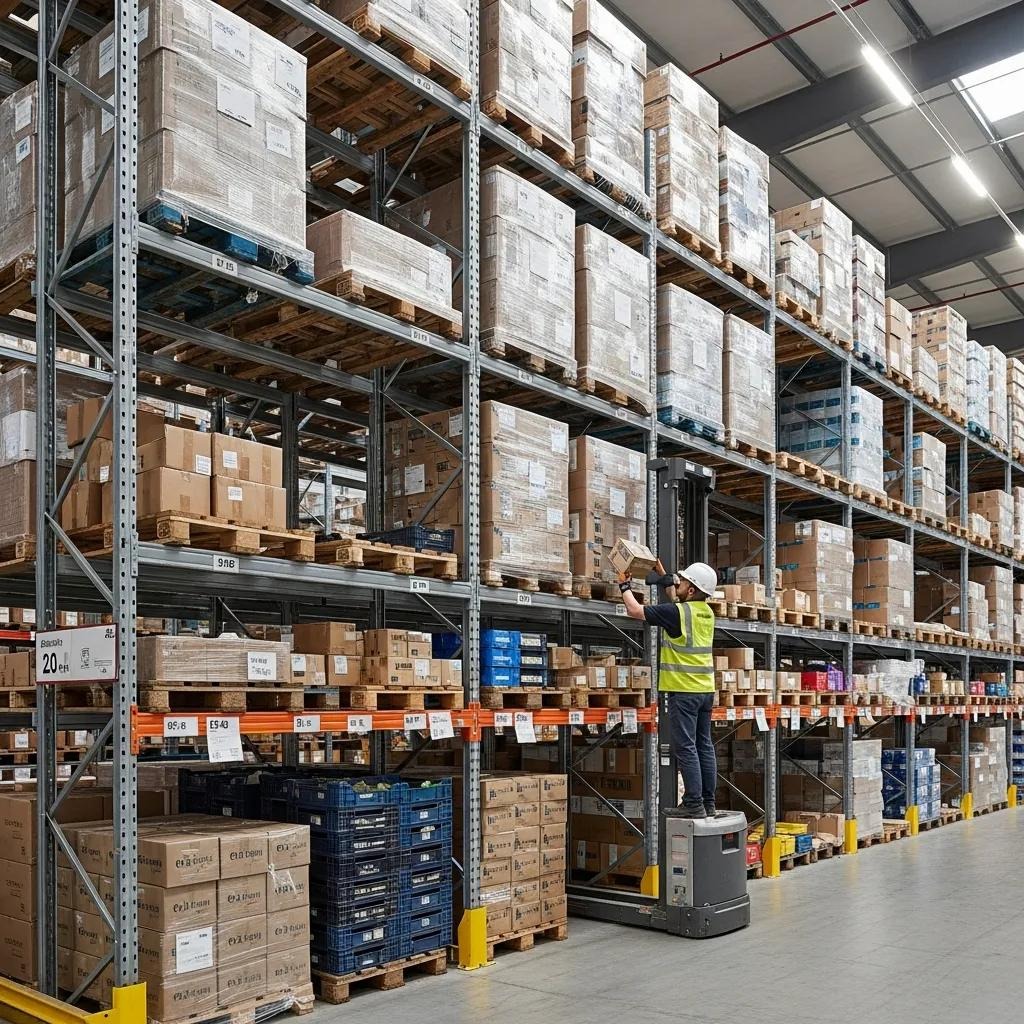
Selective pallet racking systems are designed to provide direct access to each pallet stored within the racking structure. This system is particularly beneficial for warehouses that require frequent access to a variety of products. The primary advantage of selective racking is its flexibility, allowing for easy reconfiguration as inventory needs change. Additionally, it supports static storage needs effectively, making it a popular choice for many warehouse operations.
How Does Selective Pallet Racking Support Static Storage Needs?
Selective pallet racking is particularly effective for static storage needs, as it allows for the efficient organization of inventory. By utilizing vertical space, warehouses can maximize their storage capacity while maintaining easy access to each pallet. This system is ideal for businesses that manage a diverse range of products, as it enables quick retrieval and restocking of items, ultimately enhancing operational efficiency.
What Are the Advantages of Selective Pallet Racking for Warehouse Accessibility?
One of the key advantages of selective pallet racking is its impact on warehouse accessibility. With each pallet easily reachable, workers can quickly pick items, leading to improved picking efficiency. This system also allows for flexible layout options, accommodating various warehouse sizes and configurations. As a result, businesses can optimize their storage space while ensuring that products are readily available for order fulfillment.
How Do Pallet Flow Racking Systems Enhance Dynamic Warehouse Storage?
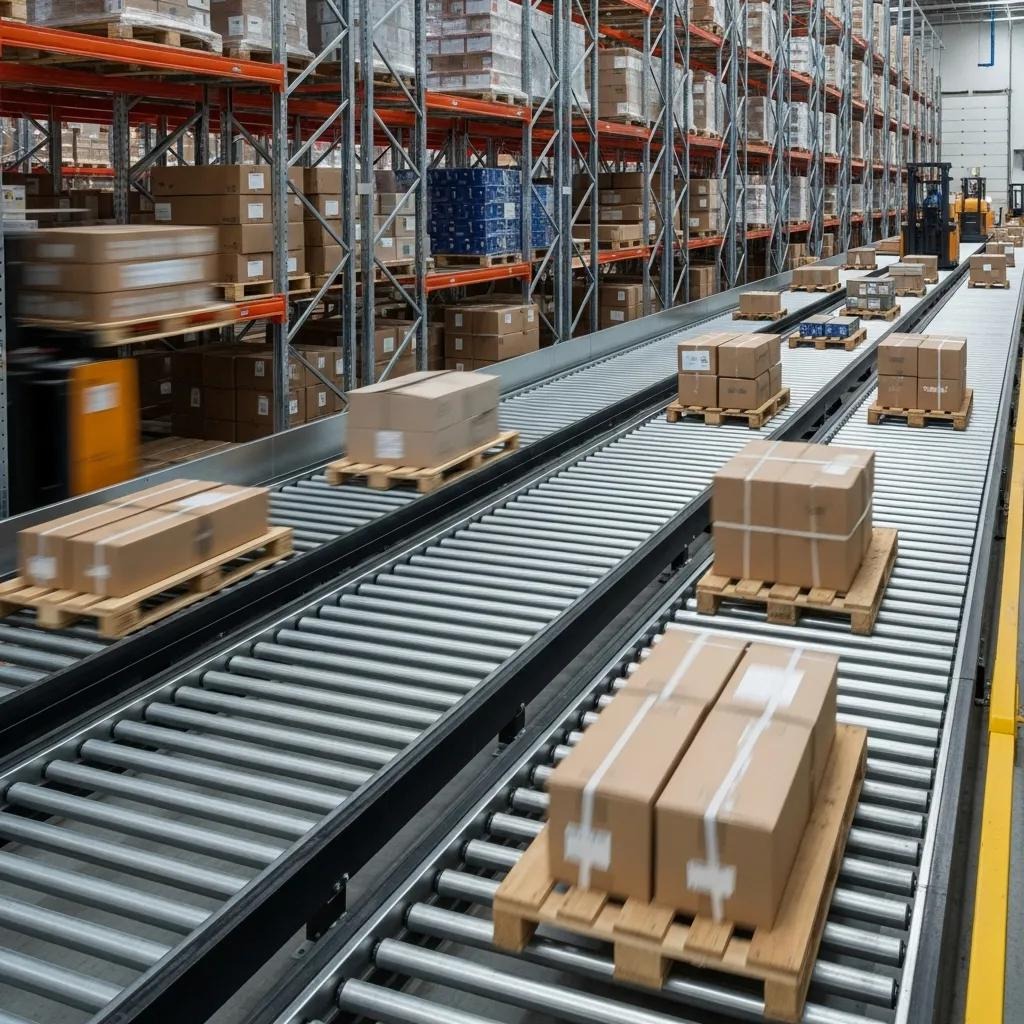
Pallet flow racking systems are designed to facilitate dynamic storage by utilizing a gravity-fed mechanism that allows pallets to flow from the loading side to the picking side. This system is particularly advantageous for FIFO inventory management, ensuring that older stock is used before newer stock. The design of pallet flow racking maximizes storage density and efficiency, making it an excellent choice for high-turnover environments.
What Features Make Pallet Flow Racking Ideal for FIFO Inventory Management?
Pallet flow racking is specifically engineered to support FIFO inventory management through its unique flow mechanism. As pallets are loaded onto the racking system, they roll down inclined tracks, allowing the first pallet loaded to be the first one picked. This design minimizes the risk of product obsolescence and ensures that inventory is rotated effectively, which is crucial for perishable goods and items with expiration dates.
How Does Pallet Flow Racking Increase Storage Density and Efficiency?
The design of pallet flow racking significantly enhances storage density by allowing for deeper storage configurations. This system can accommodate more pallets in a smaller footprint compared to traditional selective racking. Additionally, the efficiency of pallet flow systems reduces the time spent on picking and restocking, leading to lower operational costs and improved overall productivity in the warehouse.
What Are the Main Differences Between Selective and Pallet Flow Racking Systems?
When comparing selective and pallet flow racking systems, several key differences emerge that can influence a warehouse's operational strategy. Selective racking provides direct access to each pallet, making it suitable for a wide variety of products, while pallet flow racking optimizes space and supports FIFO inventory management.
How Do Storage Density and Inventory Flow Methods Compare?
The storage density of pallet flow racking is generally higher than that of selective racking due to its design, which allows for deeper storage configurations. In contrast, selective racking offers greater flexibility in accessing individual pallets, making it ideal for warehouses with diverse inventory needs. The choice between these systems often depends on the specific inventory flow methods employed by the business.
What Are the Cost Implications of Pallet Flow vs Selective Racking?
Cost implications vary between selective and pallet flow racking systems. Selective racking typically has a lower initial investment, as it requires less specialized equipment. However, pallet flow racking can lead to long-term savings through increased efficiency and reduced labor costs associated with inventory management. Businesses must weigh these factors when deciding which system best fits their operational needs.
How Do Inventory Management Methods Influence Racking System Choice?
Inventory management methods play a crucial role in determining the most suitable racking system for a warehouse. The choice between FIFO and LIFO (last-in, first-out) inventory management can significantly impact the efficiency of storage solutions.
What Is FIFO and How Does It Relate to Pallet Flow Racking?
FIFO is an inventory management method that prioritizes the sale of older stock before newer stock. Pallet flow racking systems are designed to support this method effectively, ensuring that products are rotated properly. This is particularly important for perishable goods, where maintaining freshness is essential for customer satisfaction.
When Is LIFO Suitable and How Does It Align with Selective Racking?
LIFO is suitable for businesses that deal with non-perishable goods or products that do not have expiration dates. Selective racking aligns well with LIFO inventory management, as it allows for easy access to all pallets, regardless of their age. This flexibility can be advantageous for warehouses that manage a wide range of products with varying turnover rates.
What Are the Installation and Maintenance Considerations for Each Racking System?
When selecting a racking system, installation and maintenance considerations are critical to ensuring long-term functionality and safety. Both selective and pallet flow racking systems have unique installation requirements and maintenance needs.
How Does Installation Time Differ Between Selective and Pallet Flow Racking?
Installation time can vary significantly between selective and pallet flow racking systems. Selective racking is generally quicker to install due to its straightforward design, while pallet flow racking may require more time and expertise to set up properly. Understanding these differences can help businesses plan their warehouse operations more effectively.
What Are the Maintenance Requirements and Safety Standards?
Both racking systems require regular maintenance to ensure safety and efficiency. Selective racking typically involves checking for structural integrity and ensuring that pallets are stored correctly. In contrast, pallet flow racking requires additional attention to the flow tracks and mechanisms to prevent jams and ensure smooth operation. Adhering to safety standards is essential for both systems to minimize the risk of accidents in the warehouse.
What Do Recent Case Studies and Industry Trends Reveal About Pallet Racking Systems?
Recent case studies and industry trends highlight the evolving landscape of pallet racking systems and their impact on warehouse efficiency. As technology advances, new solutions are emerging that enhance the functionality of traditional racking systems.
How Are Automation and IoT Integration Impacting Pallet Flow Racking?
Automation and IoT integration are transforming pallet flow racking systems by enabling real-time monitoring and management of inventory. These technologies allow for more precise tracking of stock levels and can optimize the flow of goods through the warehouse. As a result, businesses can achieve greater efficiency and reduce operational costs.
What Efficiency Gains Have Been Documented in 2023-2024 Studies?
Studies conducted in 2023-2024 have documented significant efficiency gains associated with the implementation of advanced pallet flow racking systems. These gains include reduced picking times, improved inventory turnover rates, and lower labor costs. As warehouses continue to adopt innovative solutions, the benefits of modern racking systems become increasingly evident.