.svg)



Selective Pallet Racking Systems vs Drive-Thru Racking: Comprehensive Warehouse Pallet Racking Types Comparison for Optimal Storage Solutions
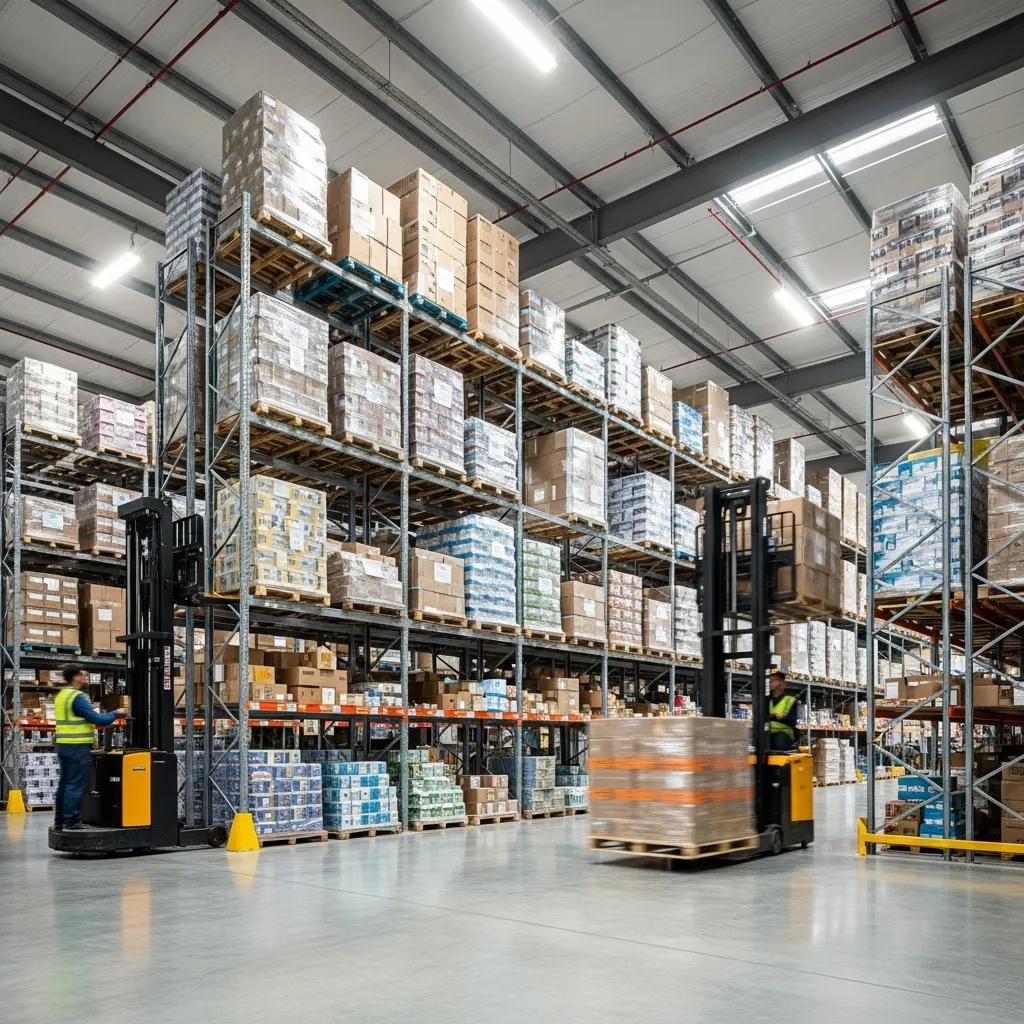
In the realm of warehouse storage solutions, the choice between "selective pallet racking systems" and drive-thru racking can significantly impact operational efficiency and space utilization. Selective pallet racking systems offer direct access to each pallet, making them ideal for warehouses with a diverse range of products. Conversely, drive-thru racking maximizes storage density by allowing pallets to be stored and retrieved from both ends of the racking system. This article will delve into the key features, benefits, and differences between these two popular racking systems, providing insights into their respective advantages for warehouse storage optimization. We will explore aspects such as accessibility, load capacity, safety standards, installation practices, and emerging trends in pallet racking systems.
What Are Selective Pallet Racking Systems and Their Key Benefits?
Selective pallet racking systems are designed to provide direct access to each pallet stored within the system. This type of racking is characterized by its straightforward design, allowing forklifts to easily navigate the aisles and retrieve pallets as needed. The primary benefit of selective racking is its ability to enhance operational efficiency by reducing retrieval times and improving inventory management. Additionally, selective racking systems are highly versatile, accommodating various pallet sizes and weights, making them suitable for a wide range of warehouse applications.
How Does Selective Pallet Racking Provide Direct Pallet Accessibility?
Selective pallet racking allows for direct access to each pallet, which is crucial for warehouses that handle a large variety of products. This design minimizes the time spent searching for specific items, as each pallet is easily reachable without the need to move other pallets. The result is a streamlined operation that enhances productivity and reduces labor costs. Furthermore, the ability to quickly access pallets contributes to improved inventory turnover rates, which is essential for maintaining optimal stock levels.
Further emphasizing the importance of efficient item arrangement and retrieval, research highlights the critical role of optimizing warehouse slotting and picking processes.
Warehouse Slotting & Picking Optimization for Efficiency
This paper considers two common problems frequently found in warehouses: slotting and picking. The former refers to the best arrangement of items in the warehouse, while the latter concerns the definition of the best route to pick up the selected objects.
Multicriteria optimization in a typical multi-isle warehouse with multiple racks, DG Ramirez-Rios, 2014
What Are the Load Capacity and Aisle Width Attributes of Selective Racking?
The load capacity of selective pallet racking systems typically ranges from 1,000 to 5,000 pounds per pallet, depending on the specific design, beam capacity, and materials used. Recommended aisle widths for selective racking vary based on the type of forklift used, with standard widths ranging from 10 to 14 feet for counterbalance forklifts and narrower aisles possible with reach trucks or narrow aisle forklifts. These dimensions are critical for ensuring safe and efficient operations within the warehouse. Properly designed aisle widths facilitate smooth forklift navigation, reducing the risk of accidents and damage to both the racking system and the stored goods.
How Does Drive-Thru Racking Maximize High-Density Pallet Storage?
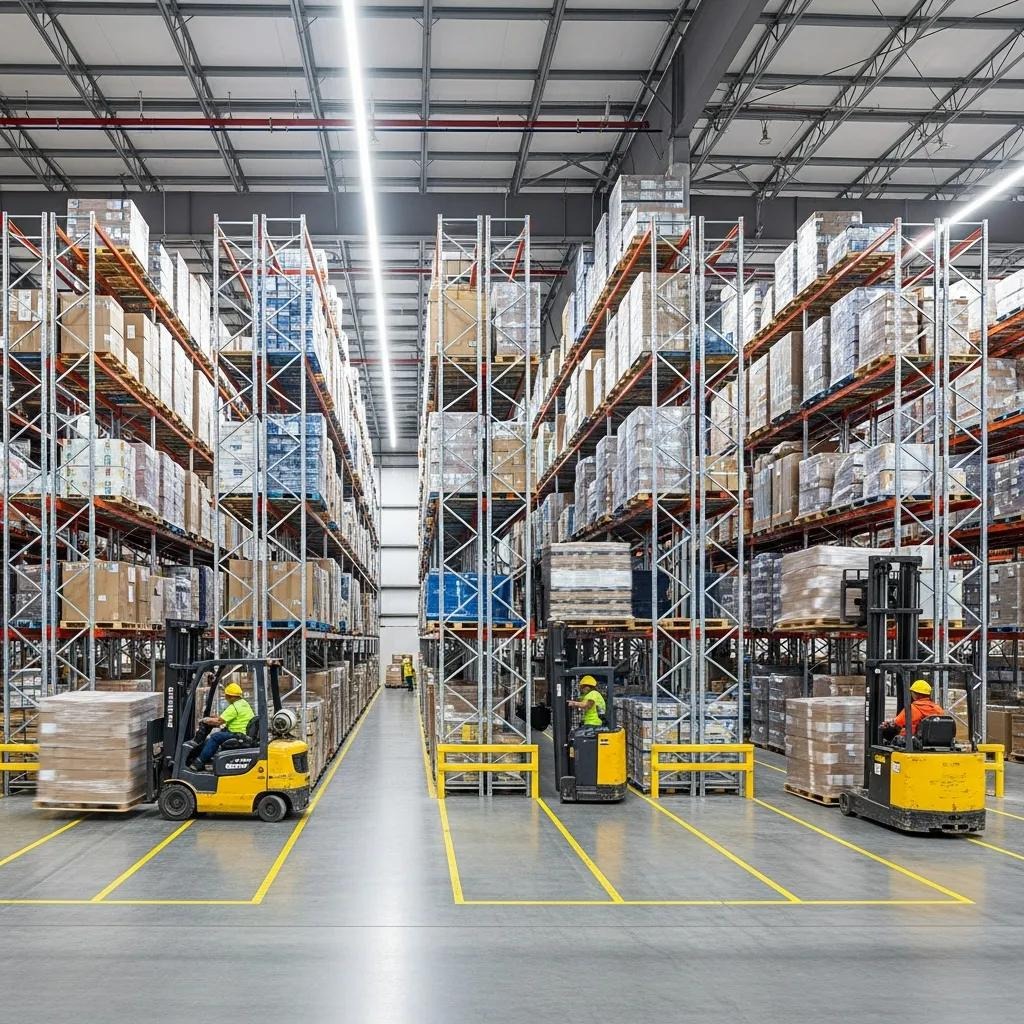
Drive-thru racking systems are engineered to maximize storage density by allowing pallets to be stored and retrieved from both ends of the racking structure. This design is particularly beneficial for warehouses that require high-density storage solutions, as it enables the efficient use of available space. By utilizing a first-in, first-out (FIFO) inventory management system, drive-thru racking ensures that older stock is accessed before newer stock, which is essential for perishable goods.
What Is the Forklift Operation and Lane Configuration in Drive-Thru Racking?
In drive-thru racking systems, forklifts operate within designated lanes that allow for the loading and unloading of pallets from both ends of the lane. The lane configuration typically consists of parallel aisles that facilitate access to both sides of the racking. This operational setup enhances efficiency by reducing the time required for pallet retrieval and storage. Additionally, the design minimizes the need for extensive maneuvering, which can lead to increased safety and reduced wear on equipment.
Which Advantages Does Drive-Thru Racking Offer for Warehouse Storage Optimization?
Drive-thru racking systems provide several advantages for warehouse storage optimization. Firstly, they maximize horizontal space utilization by eliminating the need for multiple aisles, allowing for higher storage capacities without compromising accessibility. Secondly, the FIFO inventory management system helps maintain product freshness, particularly for perishable items. Lastly, drive-thru racking reduces handling times, as pallets can be loaded and unloaded from both ends, streamlining the overall workflow within the warehouse.
What Are the Main Differences Between Selective and Drive-Thru Pallet Racking Systems?
When comparing selective and drive-thru pallet racking systems, several key differences emerge that can influence a warehouse's operational efficiency and storage capabilities. Selective racking offers direct access to each pallet, making it ideal for warehouses with a diverse product range. In contrast, drive-thru racking maximizes storage density and is better suited for high-volume operations with a focus on FIFO inventory management.
How Do Accessibility and Storage Density Compare Between These Racking Types?
Accessibility is a significant differentiator between selective and drive-thru racking systems. Selective racking allows for immediate access to each pallet, while drive-thru racking requires pallets to be accessed from designated lanes, meaning pallets deeper in the lane cannot be accessed without moving those in front. This difference impacts storage density, as drive-thru racking can accommodate more pallets in a smaller footprint, making it a preferred choice for high-density storage needs.
What Are the Cost Efficiency Considerations for Each Pallet Racking System?
Cost efficiency is another critical factor when evaluating selective and drive-thru racking systems. Selective racking typically involves lower initial investment costs due to its simpler design and installation process. However, drive-thru racking can offer long-term savings through improved space utilization and reduced handling times, which can offset the higher upfront costs associated with its installation.
What Safety and Compliance Standards Apply to Selective and Drive-Thru Racking?
Safety and compliance are paramount in warehouse operations, and both selective and drive-thru racking systems must adhere to established safety standards. Compliance with OSHA and ISO regulations ensures that racking systems are designed and maintained to minimize risks associated with pallet storage and retrieval.
How Do OSHA and ISO Standards Influence Racking System Design?
OSHA and ISO standards play a crucial role in shaping the design and implementation of pallet racking systems. These regulations dictate the structural integrity, load capacities, and safety features that must be incorporated into racking designs. Adhering to these standards not only enhances safety but also protects warehouse operators from potential liabilities associated with accidents or injuries.
What Are the Latest Safety Innovations in Pallet Racking Systems?
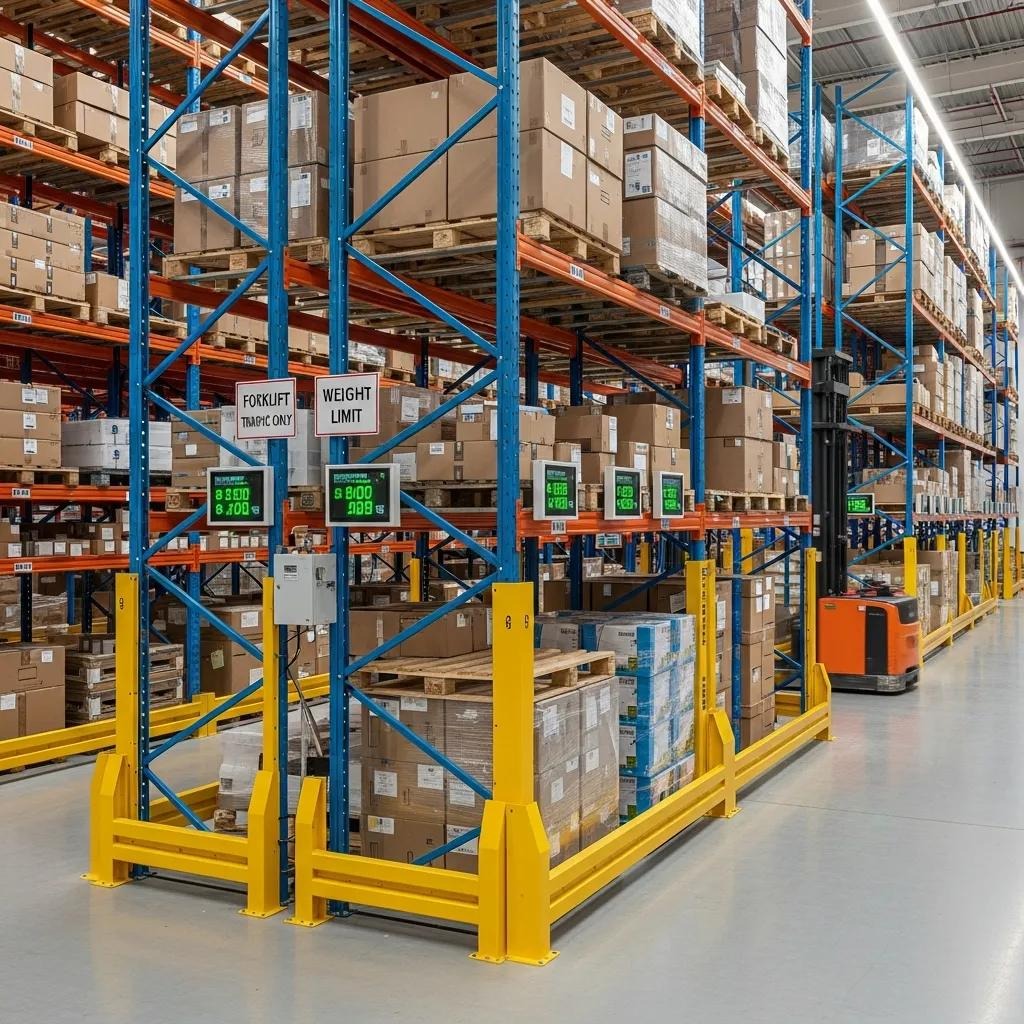
Recent innovations in pallet racking systems focus on enhancing safety through advanced design features and materials. For instance, the integration of safety barriers, improved load indicators, and automated monitoring systems can significantly reduce the risk of accidents. These innovations reflect a growing emphasis on creating safer working environments within warehouses, ultimately benefiting both employees and operations.
How Are Installation and Maintenance Managed for Selective and Drive-Thru Racking Systems?
Effective installation and maintenance practices are essential for ensuring the longevity and safety of both selective and drive-thru racking systems. Proper installation techniques and regular maintenance schedules can prevent structural failures and enhance operational efficiency.
What Are the Best Practices for Installing Each Racking Type?
Best practices for installing selective and drive-thru racking systems include conducting thorough site assessments, ensuring proper alignment and leveling, and adhering to manufacturer guidelines. Additionally, involving trained professionals in the installation process can help mitigate risks associated with improper setup, ensuring that the racking systems function as intended.
How Does Regular Maintenance Impact Load Capacity and Safety?
Regular maintenance is critical for preserving the load capacity and safety of pallet racking systems. Routine inspections can identify potential issues such as wear and tear, structural damage, or misalignment, allowing for timely repairs. By maintaining the integrity of the racking systems, warehouses can ensure safe operations and optimize their storage capabilities.
What Are the Emerging Trends and Innovations in Warehouse Pallet Racking Systems?
The warehouse storage industry is continually evolving, with emerging trends and innovations shaping the future of pallet racking systems. These advancements focus on enhancing efficiency, safety, and adaptability to meet the changing needs of modern warehouses.
How Is Automation Compatibility Shaping Racking System Development?
Automation is increasingly influencing the design and functionality of pallet racking systems. Automated storage and retrieval systems (AS/RS) are being integrated with racking solutions to streamline operations and reduce labor costs. This compatibility allows warehouses to optimize their storage processes, improve inventory accuracy, and enhance overall efficiency.
What Recent Material Advances Improve Racking Durability and Efficiency?
Recent advancements in materials used for pallet racking systems have led to improved durability and efficiency. Innovations such as high-strength steel and corrosion-resistant coatings enhance the lifespan of racking systems while reducing maintenance needs. These material improvements contribute to the overall effectiveness of warehouse operations, ensuring that racking systems can withstand the demands of modern storage environments.