.svg)


Picking the right pallet racking system really makes a difference to how efficiently your warehouse runs and how much stock you can stash. This guide takes a good look at selective pallet racking and double‑deep pallet racking, two common solutions, so you can weigh up their features, benefits, and the pros and cons. We'll suss out their operational behaviour, what gear you'll need, and the cost factors to help you find the perfect fit for your stock and warehouse setup. By the time you're done reading, you'll have a good handle on when each option makes sense and what emerging trends might influence your choices down the track.
So, What's the Go with Selective Pallet Racking and What's it All About?
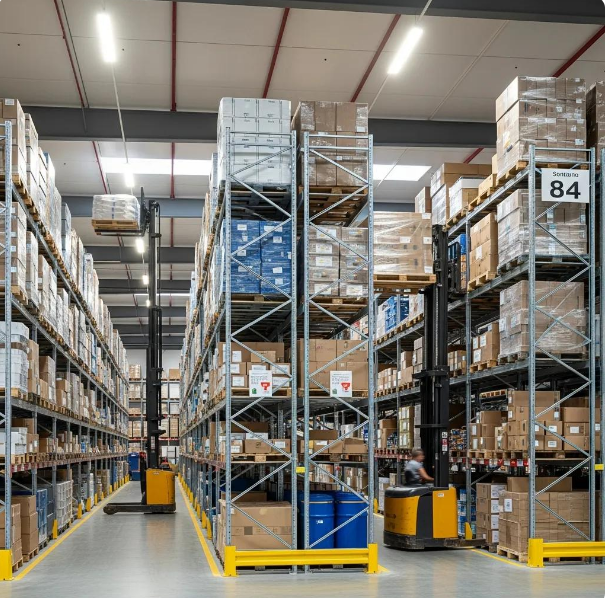
Selective pallet racking is your bog-standard, widely used shelving system that gives you direct access to every single pallet. Built with upright frames and horizontal beams stacked up in multiple levels, it's designed for easy-peasy loading and getting stuff out. The big win here is how easy it is to get to things: forklifts can reach any pallet without having to shift others, which is ace for handling all sorts of different bits and bobs in your stock.
How Does Selective Pallet Racking Help with Managing Your Stock and Getting to It?
Selective racking is a good fit for common stock strategies like First‑In‑First‑Out (FIFO) and Last‑In‑First‑Out (LIFO) thanks to its open, easy-to-get-to layout. That design makes picking and restocking a breeze, which is ideal for operations with frequent rotation. The system also handles all sorts of pallet sizes and weights, so it's a ripper for heaps of product types and warehouse setups.
What Are the Good Bits and the Not-So-Good Bits of Selective Pallet Racking?
Selective pallet racking offers a few handy advantages:
- Easy to Get To: Direct access to each pallet chops down retrieval time and makes order picking a cinch.
- Versatile as Anything: Flexible setup means it can handle a fair dinkum range of pallet sizes and load types.
- Easy on the Wallet: Doesn't cost an arm and a leg upfront compared to fancier systems.
But it also comes with a few things to chew on:
- Less Storage in the Same Space: Uses more floor space compared to deeper storage options.
- More Yakka Involved: More aisles and pallet moves can mean more effort for picking and restocking.
What's the Story with Double Deep Pallet Racking and How it Works?
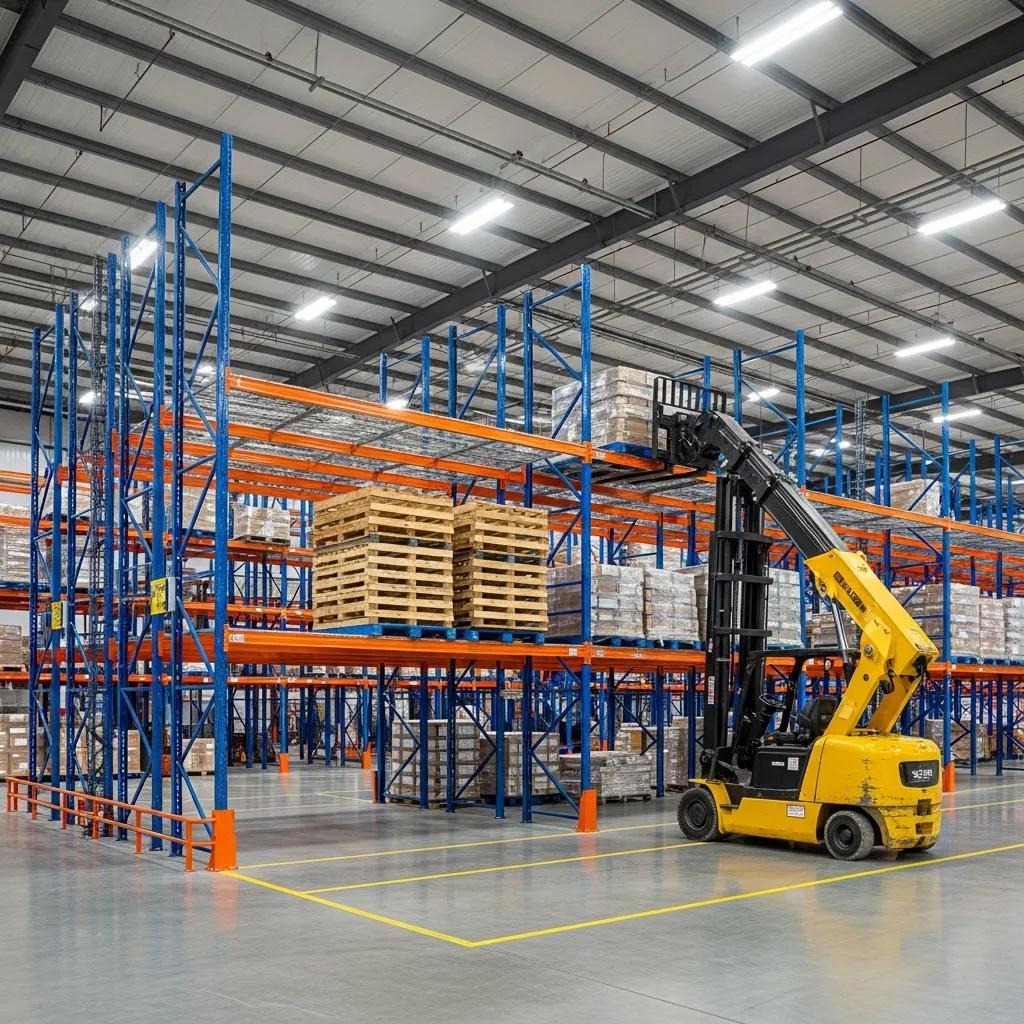
Double‑deep pallet racking stacks two pallets back-to-back in each spot to cram more in without having to expand the building. Because you can't get straight to the pallet at the back, operators use specialised gear, typically deep‑reach forklifts, to pick and place loads. The main upside is getting way more storage capacity in the same amount of space.
How Does Double Deep Racking Help You Store More and What Gear Do You Need?
By using horizontal depth more efficiently, double‑deep racking can bump up storage capacity by roughly 30 to 60 percent compared to selective layouts, depending on how wide your aisles are and the overall plan. To get that sort of efficiency, you'll need deep‑reach trucks or other reach‑type equipment capable of operating in narrower aisles and pulling pallets from the back of the rack.
What Are the Upsides and the Downsides of Double Deep Pallet Racking?
Double‑deep racking delivers some ripper benefits:
- Crams More In: Two‑deep storage means more pallets in the same space.
- Space Efficient: Chops down the need for extra warehouse space.
But it also comes with a few catches:
- Harder to Get To: Rear pallets mean you have to shift the front pallet first, which can slow things down a bit for some jobs.
- Fancy Gear Needed: Investing in deep‑reach trucks bumps up the initial cost for gear and might mean more training for the crew.
How Do Selective and Double Deep Pallet Racking Systems Stack Up Against Each Other?
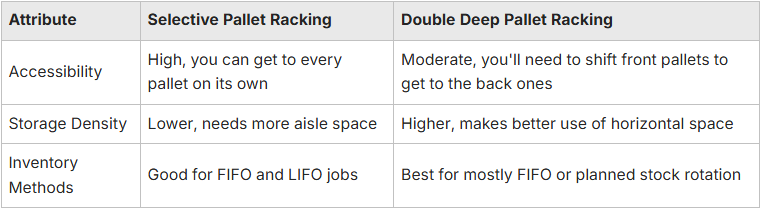
How They Differ in Accessibility, Storage Density, and Inventory Methods?
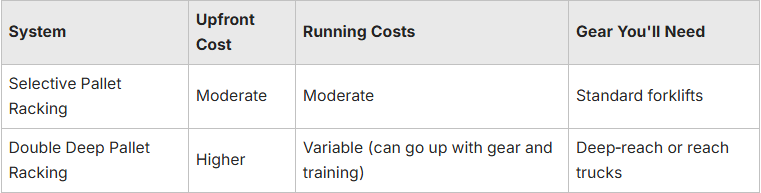
How They Stack Up on Cost and What Gear You'll Need?
When's the Best Time to Go For Selective Pallet Racking or Double Deep Pallet Racking?
Which Warehouse Conditions and Stock Types Are a Good Fit for Selective Racking?
- Lots of Different Products: Operations with heaps of different products really benefit from being able to get to them easily and having a flexible setup.
- Stock Moving Fast: Retail, food distribution, and similar businesses that are always moving stock will really appreciate the speed and easy access.
What Are the Best Times to Use Double Deep Racking in Your Warehouse?
- Storing Heaps of the Same Thing: Places storing large quantities of the same product can really make the most of that higher density to save a heap of space.
- Not Many Different Products: When your product lines are limited, double‑deep layouts give you cracking space efficiency without slowing things down too much.
What About the Costs and Getting Your Money Back for Each Racking System?

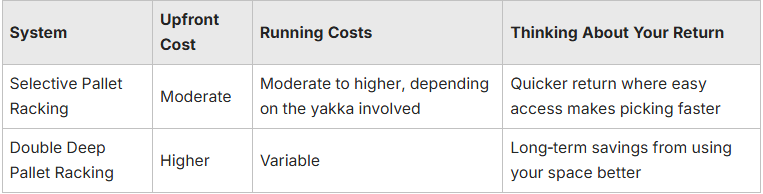
How Do Upfront Costs and Running Costs Compare?
How Does Your Gear and the Crew Affect Your Overall Spending?
Your racking choice affects both your gear and crew costs. Selective racking works with standard forklifts and generally simpler ways of doing things. Double‑deep setups often require fancy trucks and more training for the operators, which bumps up the upfront costs and can make things a bit trickier for the crew, but those costs might be balanced out by needing less space over time.
What's New and What's Coming Up for Pallet Racking Systems?
How Are Automation and IoT Technologies Changing Warehouse Storage?
Automation and IoT are changing the game for how warehouses handle their stock. Smart systems make tracking better, allow for clever slotting, and can even make picking routes super efficient, benefits that really boost performance for both selective and double‑deep setups when they're put in place properly.
What Sustainable Practices Are Being Used in Pallet Racking Systems?
Sustainability is getting a fair bit of buzz in warehouse design these days. More and more operators are going for recyclable or responsibly sourced materials and chasing energy‑efficient ways of doing things. These moves chop down their environmental footprint and increasingly line up with what customers and stakeholders are expecting.