.svg)


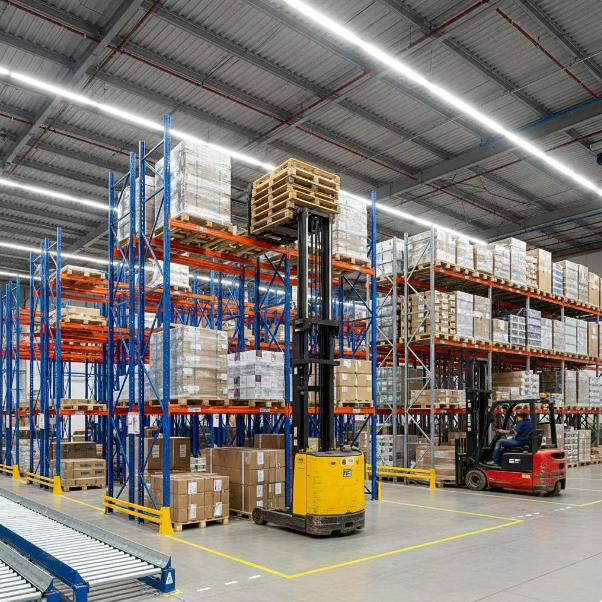
Choosing the right pallet rack can immediately improve storage efficiency and keep daily operations running without hiccups. This guide walks you through the common racking types, the key criteria to weigh when choosing, and practical strategies to squeeze more capacity from your space. Many warehouse teams struggle to balance storage density with easy access, costing time and money. By knowing how each racking option performs and where it fits best, you’ll make smarter, more scalable decisions. We cover racking types, selection factors, optimisation techniques, current trends, and budget and safety considerations.
What Are the Main Types of Pallet Racking Systems?
Pallet racking organises inventory, protects goods and helps forklifts move efficiently. Knowing the main system types makes it easier to match storage layout to your operational needs.
Selective Pallet Racking: What It Is and When to Use It
Selective racking is the most widely used system because it gives direct access to each pallet. Its adjustable beams and straightforward design make it flexible for mixed SKU operations and changing inventory. If you need regular, fast access to different products, selective racking is usually the practical choice. It's easy to reconfigure as needs change and works in a variety of warehouse sizes.
Drive In and Drive Thru Racking: High Density Storage Explained
Drive in and drive thru systems boost storage density by letting forklifts enter the rack structure. Drive in stores pallets deep on a single face; drive thru allows access from both sides. These setups are ideal for bulk storage of similar items where maximising pallet count per square foot matters most. They do limit individual pallet access, so they're less suited to operations with frequent SKU rotation.
Which Key Factors Should Influence Your Pallet Rack Selection?
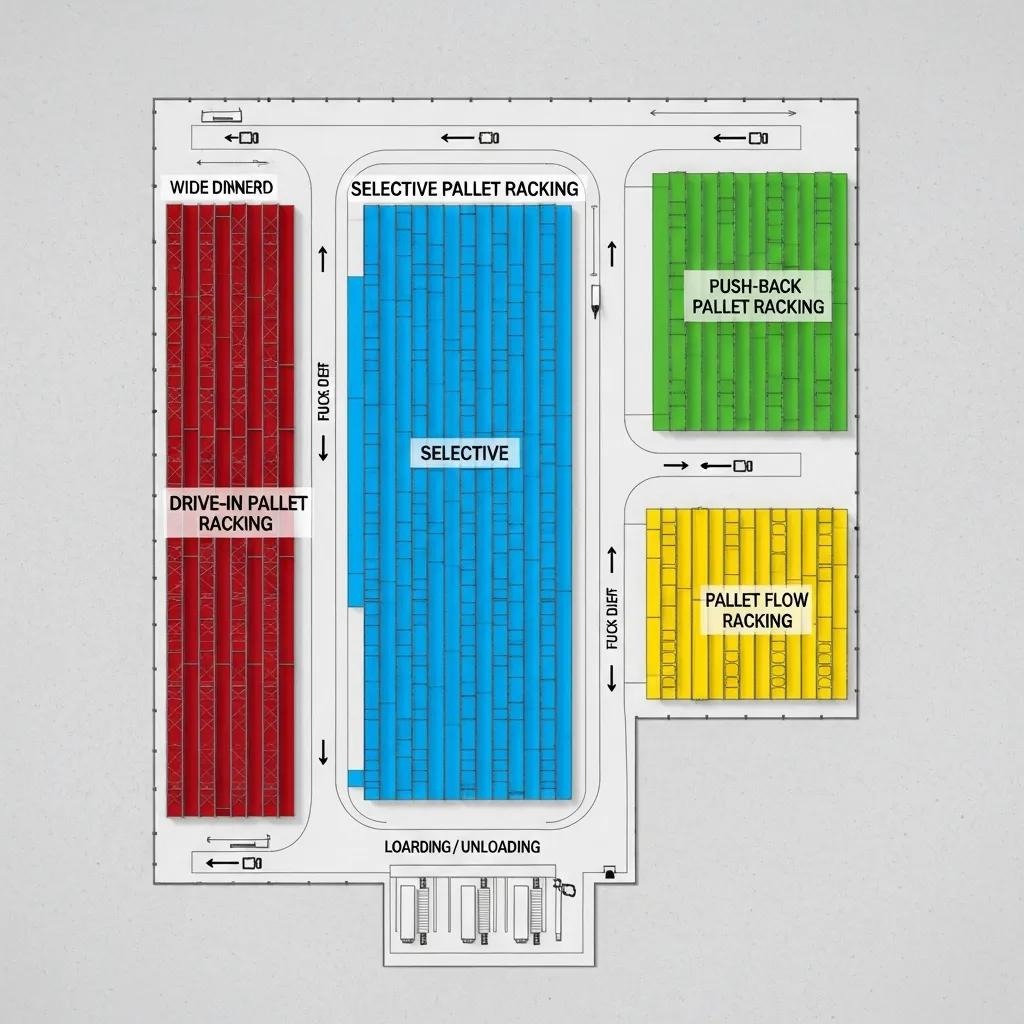
Picking the right rack isn't a one size fits all choice. Consider these practical factors to ensure performance, safety and long term value.
How Inventory Characteristics Shape Rack Choice
Your inventory’s weight, size and turnover rhythm drive the best racking choice. Heavy, oversized items need sturdier frames; lightweight goods can go on lighter duty systems. Turnover matters: fast moving SKUs benefit from systems that offer quick retrieval, while slow moving bulk stock can be stored in denser configurations.
Why Warehouse Layout Matters for Racking Decisions
Floor plan, aisle width and ceiling height all influence which racking systems will work. Narrow aisles may require specialised lift trucks and racking that supports tight manoeuvring. Vertical space is often underused. Stacking higher can increase capacity, but only if your building structure and equipment allow it. Match the racking plan to real workflow and traffic patterns for best results.
How Can You Optimise Warehouse Storage Using Pallet Racks?
Optimisation is about getting the most storage without creating bottlenecks. It's about balancing density, access and throughput.
Finding the Right Balance Between Density and Accessibility
High density options like drive in racking save floor space but reduce selective access to individual pallets. Selective racking gives immediate access at the expense of footprint. The right choice depends on SKU mix and picking patterns: prioritise accessibility for varied, fast moving inventories and density for homogeneous, slow turn items.
How FIFO and LIFO Impact Rack Selection
Inventory method shapes layout. FIFO (first in, first out) needs systems that let older stock be retrieved first. Pallet flow or other FIFO capable systems are common for perishables. LIFO (last in, first out) works with push back or drive in systems and can support denser storage when stock rotation isn't time sensitive.
What Are the Latest Trends and Future Proofing Strategies for Pallet Racking?
Keeping an eye on trends helps you choose racking that scales and integrates with modern warehouse technology.
Automation and Robotics: What to Consider
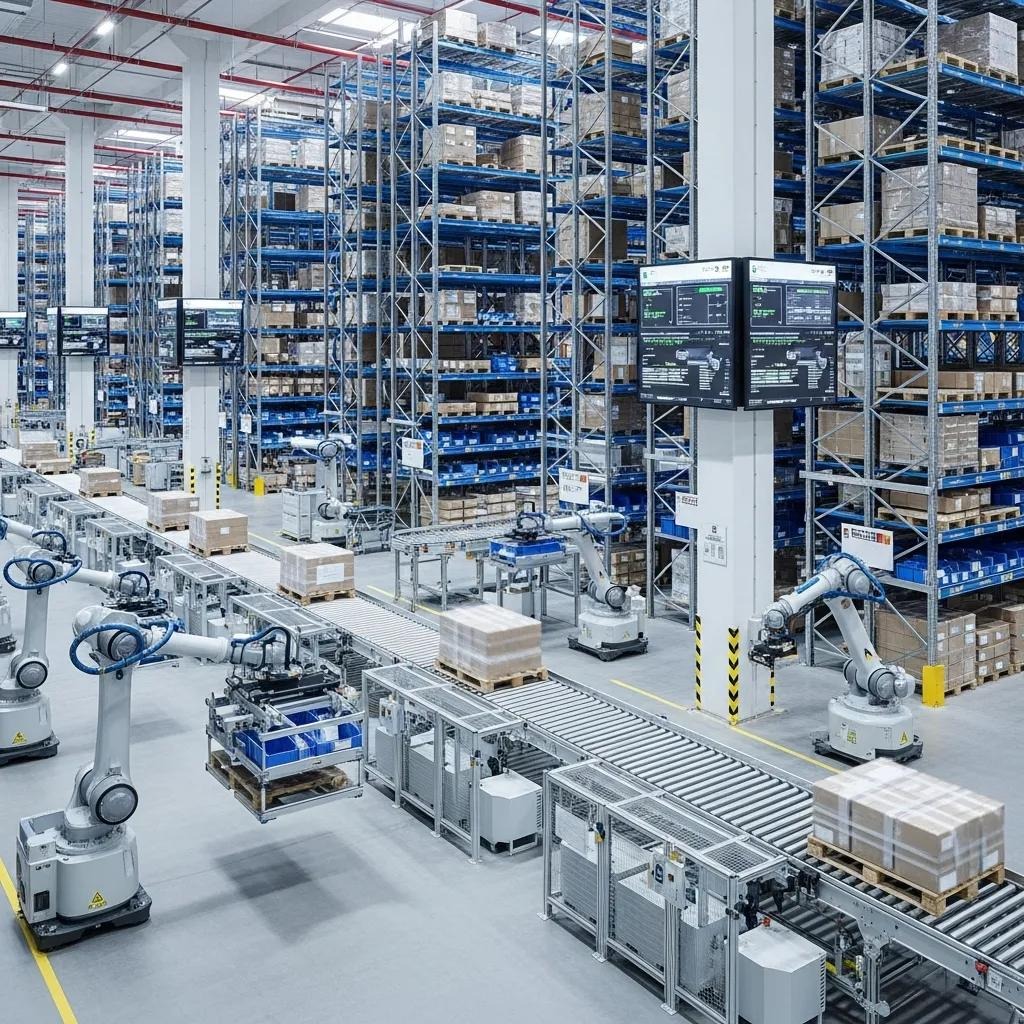
Automation and AS/RS introduce new compatibility requirements: aisle widths, rack tolerances and conveyor interfaces must match the equipment. Automated systems reduce labour and errors but require upfront planning. When planning racking, consider whether future automation, like conveyors, shuttles or robots, will affect rack design and clearances.
Sustainability and IoT: Adding Efficiency and Insight
Sustainable materials and smarter monitoring are becoming standard. Using durable, recyclable components reduces lifecycle impact, while IoT sensors provide real time visibility into inventory levels and rack health. These tools help cut waste, improve safety and support proactive maintenance.
How Do Budget, Safety, and Scalability Affect Your Pallet Rack Decision?
Cost, compliance and room to grow should guide your final decision, not just the initial sticker price.
Cost vs. Benefit: Comparing Rack Types
Different systems have different upfront and lifetime costs. Selective racking typically costs less to install and offers flexible access, which can lower labour costs over time. High density systems can save on real estate but may add handling time. Look at total cost of ownership: installation, maintenance, throughput and potential efficiency gains, before choosing.
Meeting Safety Standards and Planning for Growth
Follow local codes and industry standards to avoid risk and liability. Design with expansion in mind: modular racking lets you reconfigure or add capacity without a full replacement, keeping your operations adaptable as volumes and SKUs change.
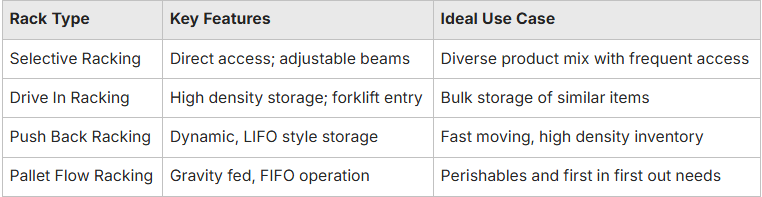
The table highlights core features and typical uses to help you quickly compare options and match them to your warehouse priorities.
Pallet racking is a foundational decision for any warehouse. By matching rack type to inventory behaviour, layout constraints and long term goals, and by planning for safety and future automation, you can boost capacity, reduce handling time and lower operating costs. If you’d like, we can help you evaluate options for your specific layout and throughput targets.