.svg)



Double-deep Pallet Racking vs Drive-thru Racking
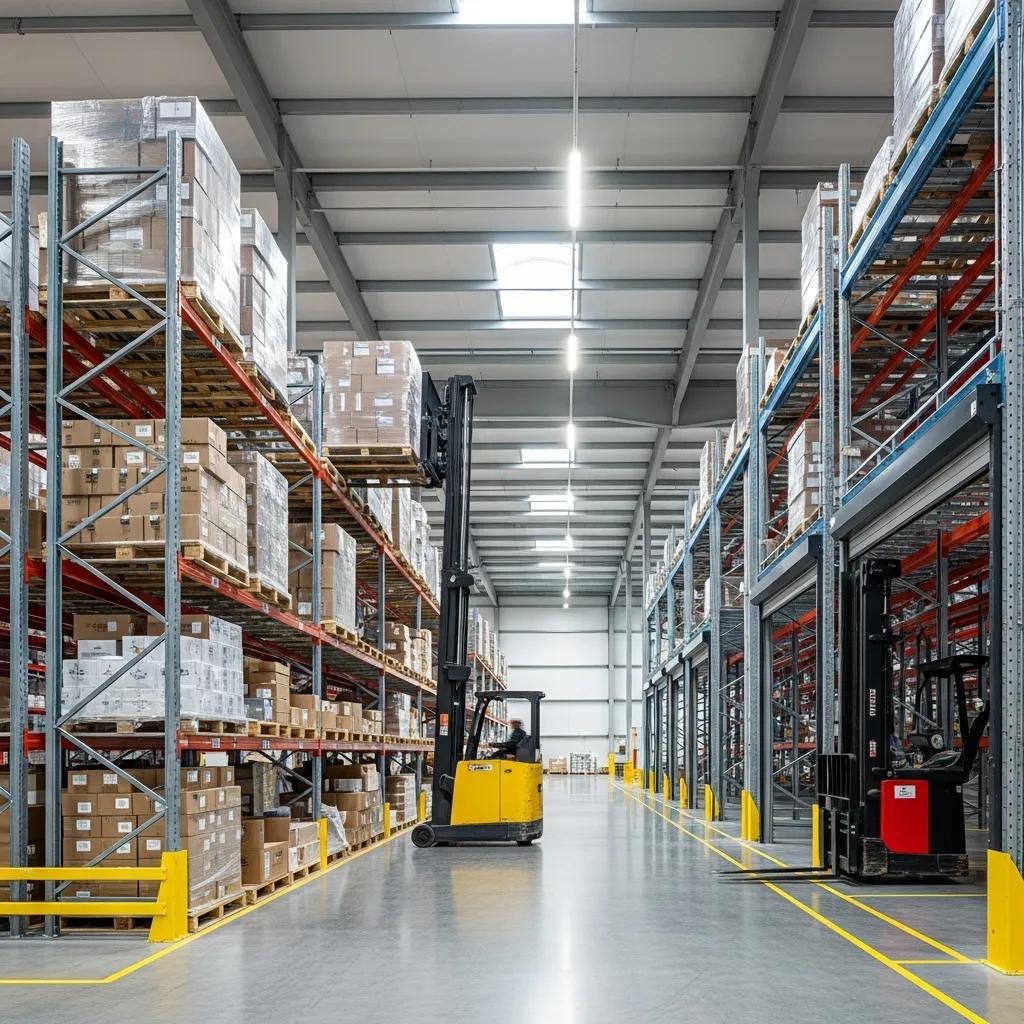
In the realm of warehouse storage solutions, choosing the right pallet racking system is crucial for optimizing space and enhancing operational efficiency. This article delves into the comparison between double-deep pallet racking and drive-thru racking, two popular systems that cater to different storage needs. Readers will learn about the unique features, benefits, and installation requirements of each system, as well as how they impact warehouse workflows. Understanding these differences is essential for businesses looking to maximize their storage capabilities while ensuring safety and compliance. We will explore the key aspects of each racking type, including their load capacities, design benefits, and maintenance considerations, to help you make an informed decision for your warehouse.
Indeed, the complexities of warehouse management often revolve around these very challenges, as highlighted by recent research.
Warehouse Space Optimization & Management Challenges
Warehouses often face many challenges, including efficient inventory management, space optimization, proper resource allocation, and optimal supplier selection. This paper focuses on several well-known MCDM methods that are often used in the context of warehouse management.
Application of multi-criteria decision-making methods in warehouse: a brief review, 2023
What is Double-deep Pallet Racking and how does it optimize warehouse space?
Double-deep pallet racking is a storage system that allows pallets to be stored two deep in a single rack bay, effectively maximizing vertical space and increasing storage density. This system works by utilizing specialized forklifts that can reach into the second row of pallets, enabling efficient use of warehouse space. The primary benefit of double-deep racking is its ability to significantly increase storage capacity without requiring additional floor space, making it an ideal solution for warehouses with high inventory turnover.
Key features and load capacity of double-deep pallet racks
Double-deep pallet racks come with several key features that enhance their functionality and efficiency. These include:
- Increased Storage Density: By storing pallets two deep, this system can double the storage capacity compared to standard single-deep racks.
- Versatile Design: The racks can be customized to accommodate various pallet sizes and weights, with load capacities typically ranging from 1,000 kg to 2,500 kg per pallet position.
- Accessibility: While access to the second row requires specialized forklifts, the design allows for quick retrieval of pallets, improving overall warehouse efficiency.
These features make double-deep pallet racking a popular choice for businesses looking to optimize their storage solutions.
Installation requirements and material specifications for double-deep racking
Installing double-deep pallet racking requires careful planning and adherence to safety standards. Key installation requirements include:
- Site Assessment: A thorough evaluation of the warehouse layout is necessary to determine the optimal configuration for the racking system.
- Material Specifications: Double-deep racks are typically constructed from high-quality steel to ensure durability and safety. The thickness of the steel and the design of the beams are critical for supporting heavy loads.
- Safety Compliance: Installation must comply with local safety regulations and standards, including proper anchoring and spacing to prevent tipping.
By following these guidelines, businesses can ensure a safe and effective installation of double-deep pallet racking.
How does Drive-thru Racking enhance warehouse accessibility and efficiency?
Drive-thru racking is designed to provide easy access to pallets from both sides of the rack, allowing forklifts to drive through the system. This design enhances warehouse accessibility and operational efficiency by enabling quick loading and unloading of pallets. The primary advantage of drive-thru racking is its ability to facilitate a first-in, first-out (FIFO) inventory management system, which is essential for perishable goods or items with expiration dates.
Design benefits allowing forklift access from both sides
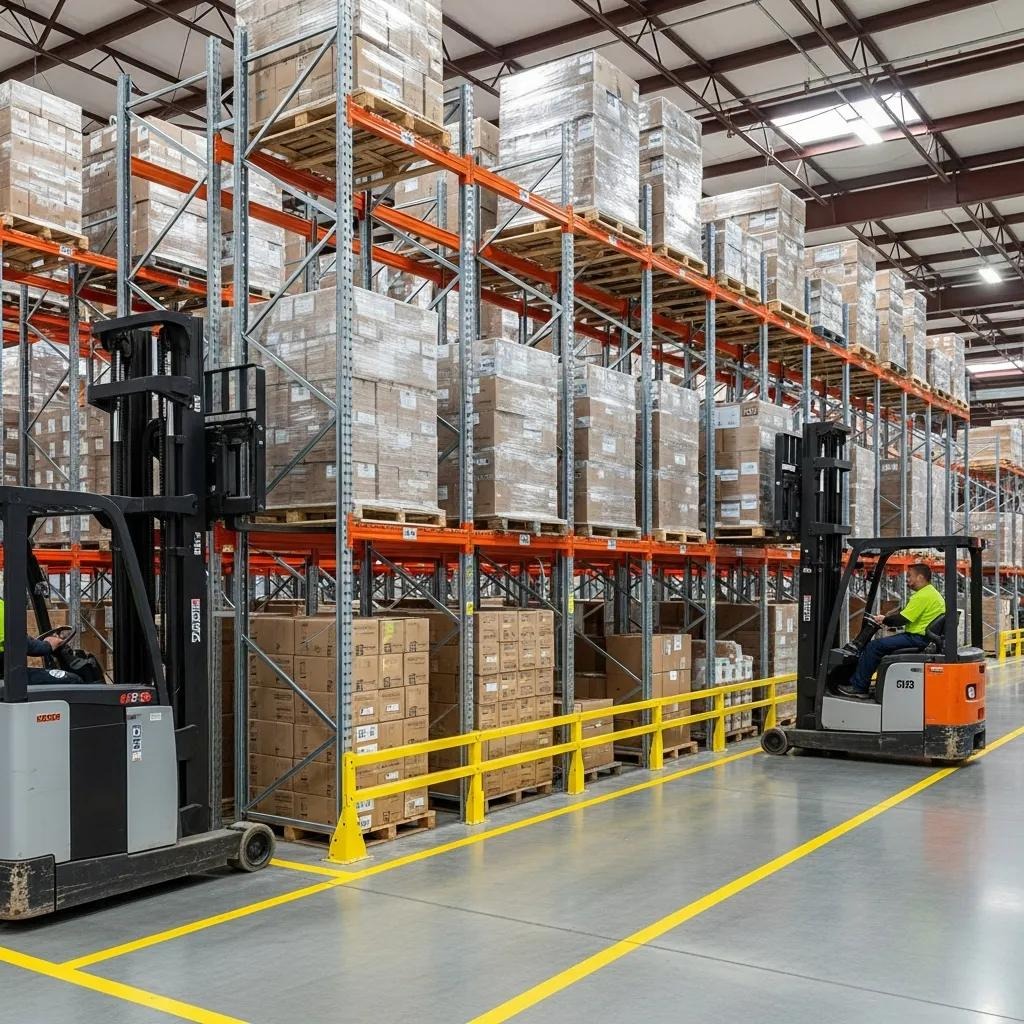
The design of drive-thru racking offers several benefits that improve operational workflows:
- Increased Efficiency: Forklifts can access pallets from either side, reducing the time spent maneuvering within the warehouse.
- Optimized Space Utilization: The layout allows for denser storage configurations, maximizing the use of available space.
- Enhanced Safety: With clear access paths, the risk of accidents and collisions is minimized, promoting a safer working environment.
These design benefits make drive-thru racking an attractive option for warehouses that prioritize accessibility and efficiency.
Safety certifications and compliance considerations for drive-thru systems
Safety is a paramount concern when implementing drive-thru racking systems. Compliance with safety standards is essential to ensure the well-being of warehouse personnel and the integrity of stored goods. Key considerations include:
- Certification Requirements: Drive-thru racking systems must meet specific safety certifications, which vary by region. These certifications ensure that the racking system can safely support the intended loads.
- Regular Inspections: Routine inspections and maintenance are necessary to identify any potential hazards or wear and tear that could compromise safety.
- Training for Operators: Forklift operators must be trained in the specific handling and operational procedures associated with drive-thru racking to minimize risks.
By adhering to these safety considerations, businesses can create a secure environment for their warehouse operations.
What are the main differences between Double-deep and Drive-thru Pallet Racking?
When comparing double-deep and drive-thru pallet racking, several key differences emerge that can influence a business's choice of system.
- Storage Density: Double-deep racking offers higher storage density by allowing pallets to be stored two deep, while drive-thru racking provides easier access but may require more space.
- Accessibility: Drive-thru racking allows for access from both sides, facilitating quicker retrieval and inventory management, whereas double-deep racking requires specialized forklifts for accessing the second row.
- Cost Implications: The initial investment for double-deep racking may be lower due to simpler design, but drive-thru racking can lead to cost savings in labor and time efficiency over the long term.
Understanding these differences is crucial for businesses to select the most suitable racking system for their specific needs.
Cost implications and maintenance requirements for each system
The cost implications and maintenance requirements for double-deep and drive-thru racking systems can vary significantly.
- Double-deep Racking: Generally, the initial setup costs are lower, but ongoing maintenance is essential to ensure safety and functionality. Regular inspections and potential repairs can add to long-term costs.
- Drive-thru Racking: While the initial investment may be higher due to the complexity of the design, the efficiency gains can lead to reduced labor costs and improved inventory turnover, offsetting the initial expenses.
Businesses must weigh these factors when deciding which racking system aligns best with their budget and operational goals.
How to choose the best pallet racking system for your warehouse needs?
Selecting the right pallet racking system involves evaluating several critical factors:
- Inventory Type: Consider the nature of the products being stored. Perishable goods may benefit from drive-thru racking for FIFO management, while bulk items may be suited for double-deep racking.
- Space Availability: Assess the warehouse layout and available space. Double-deep racking can maximize vertical space, while drive-thru racking may require more floor space for accessibility.
- Budget Constraints: Analyze the initial investment versus long-term operational costs. Understanding the total cost of ownership will help in making an informed decision.
By carefully considering these factors, businesses can choose a racking system that best meets their operational needs.
Evaluating space optimization versus accessibility priorities
When choosing between double-deep and drive-thru racking, businesses must evaluate their priorities regarding space optimization and accessibility.
- Space Optimization: Double-deep racking excels in maximizing storage density, making it ideal for warehouses with limited floor space.
- Accessibility: Drive-thru racking prioritizes easy access to inventory, which is crucial for businesses that require quick turnover and efficient inventory management.
Balancing these priorities will help businesses determine the most effective racking solution for their specific operational requirements.
Industry standards and Australian market trends influencing selection
In Australia, industry standards and market trends play a significant role in the selection of pallet racking systems. Key considerations include:
- Quality and Durability: Australian regulations emphasize the importance of high-quality materials and construction to ensure safety and longevity.
- Competitive Pricing: As the market evolves, businesses are increasingly seeking cost-effective solutions that do not compromise on quality.
- Customer Service: Suppliers that offer comprehensive support, including installation and maintenance services, are preferred by businesses looking for reliable partners.
These trends highlight the importance of aligning racking system choices with industry standards and market demands.
What are the installation and maintenance best practices for these racking systems?
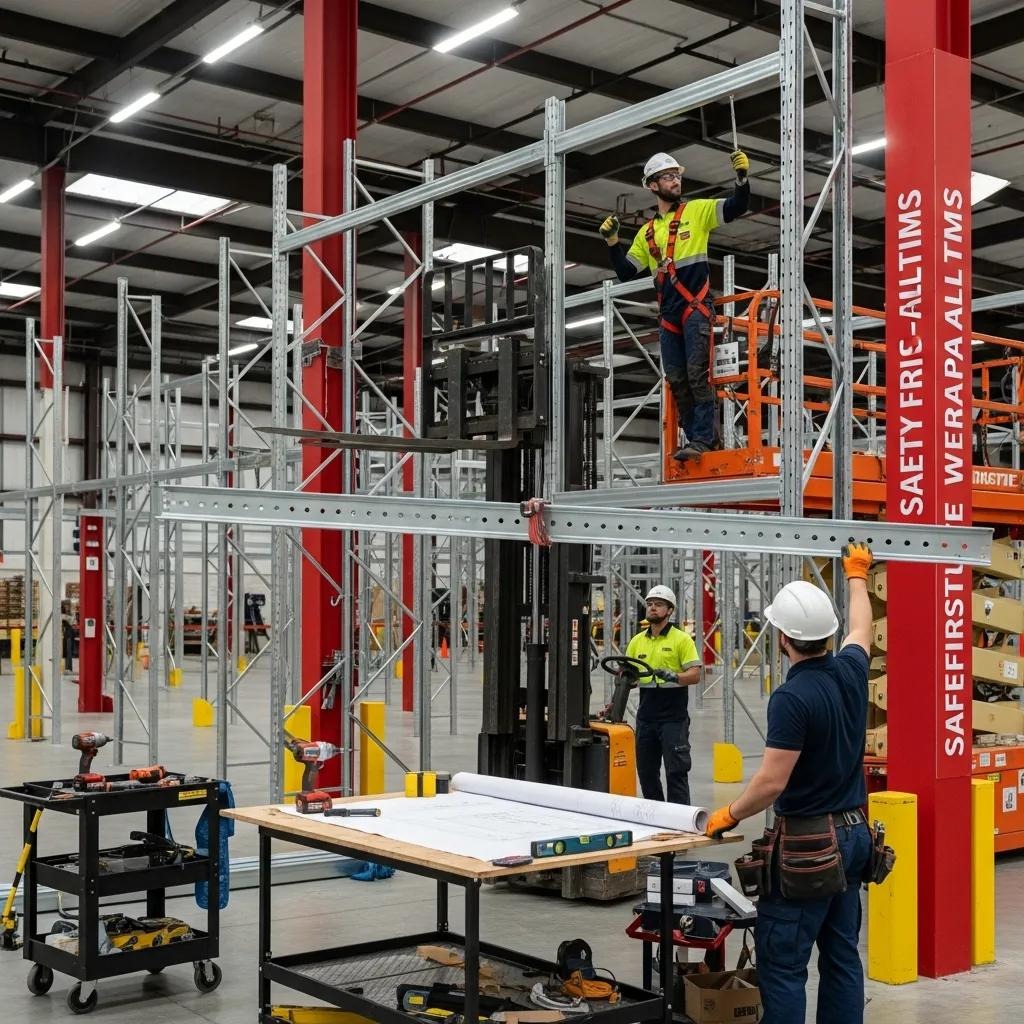
Implementing best practices for installation and maintenance is essential for ensuring the safety and efficiency of both double-deep and drive-thru racking systems.
- Installation Guidelines: Follow manufacturer specifications and local regulations during installation to ensure compliance and safety.
- Routine Maintenance: Conduct regular inspections to identify wear and tear, and address any issues promptly to prevent accidents.
- Safety Checks: Implement safety protocols, including training for operators and regular safety audits, to maintain a secure working environment.
By adhering to these best practices, businesses can enhance the longevity and safety of their racking systems.
Step-by-step installation guidelines for double-deep and drive-thru racks
The installation process for double-deep and drive-thru racks involves several key steps:
- Planning: Assess the warehouse layout and determine the optimal configuration for the racking system.
- Preparation: Ensure the site is clear and ready for installation, with all necessary tools and materials on hand.
- Assembly: Follow manufacturer instructions to assemble the racking system, ensuring all components are securely fastened.
- Safety Checks: Conduct a thorough inspection of the installed racks to ensure compliance with safety standards before use.
Following these guidelines will help ensure a successful installation process.
Routine maintenance tips to ensure safety and longevity
To maintain the safety and longevity of pallet racking systems, businesses should implement the following routine maintenance tips:
- Regular Inspections: Schedule periodic inspections to check for signs of wear, damage, or misalignment.
- Weight Distribution Checks: Ensure that weight is evenly distributed across the racks to prevent tipping or collapse.
- Cleaning Protocols: Keep the racking area clean and free of debris to minimize hazards and maintain a safe working environment.
By following these maintenance tips, businesses can prolong the life of their racking systems and ensure a safe operational environment.
What common questions do businesses have about Double-deep and Drive-thru Racking?
Businesses often have several common questions regarding double-deep and drive-thru racking systems, including:
- What is the cost difference between the two systems?
- How do I determine which system is best for my inventory type?
- What safety certifications are required for installation?
Addressing these questions can help businesses make informed decisions about their racking systems.
How much does double-deep pallet racking cost in Australia?
The cost of double-deep pallet racking in Australia can vary based on several factors, including the size of the system and the materials used. On average, businesses can expect to pay between AUD 100 and AUD 500 per pallet position, depending on the specifications and supplier.
What safety measures are essential for drive-thru racking systems?
Ensuring safety in drive-thru racking systems involves implementing several key measures:
- Operator Training: Provide comprehensive training for forklift operators to ensure safe handling of pallets.
- Regular Safety Audits: Conduct routine safety audits to identify potential hazards and ensure compliance with safety standards.
- Clear Signage: Use clear signage to indicate safe operating procedures and load limits.
By prioritizing these safety measures, businesses can create a secure environment for their warehouse operations.