.svg)


Double-deep Pallet Racking vs Drive-in Racking
In the realm of warehouse storage solutions, choosing the right racking system is crucial for optimizing space and improving operational efficiency. This article delves into the comparison between double-deep pallet racking and drive-in racking systems, two popular options that cater to different storage needs. Readers will learn about the definitions, key features, and advantages of each system, as well as their respective applications in various industries. Understanding these systems can help businesses make informed decisions that enhance their storage capabilities and overall productivity. We will explore the characteristics of each racking type, their storage density and space optimization, safety standards, installation costs, and the industries that benefit most from them.
What are Double-deep Pallet Racking and Drive-in Racking systems?
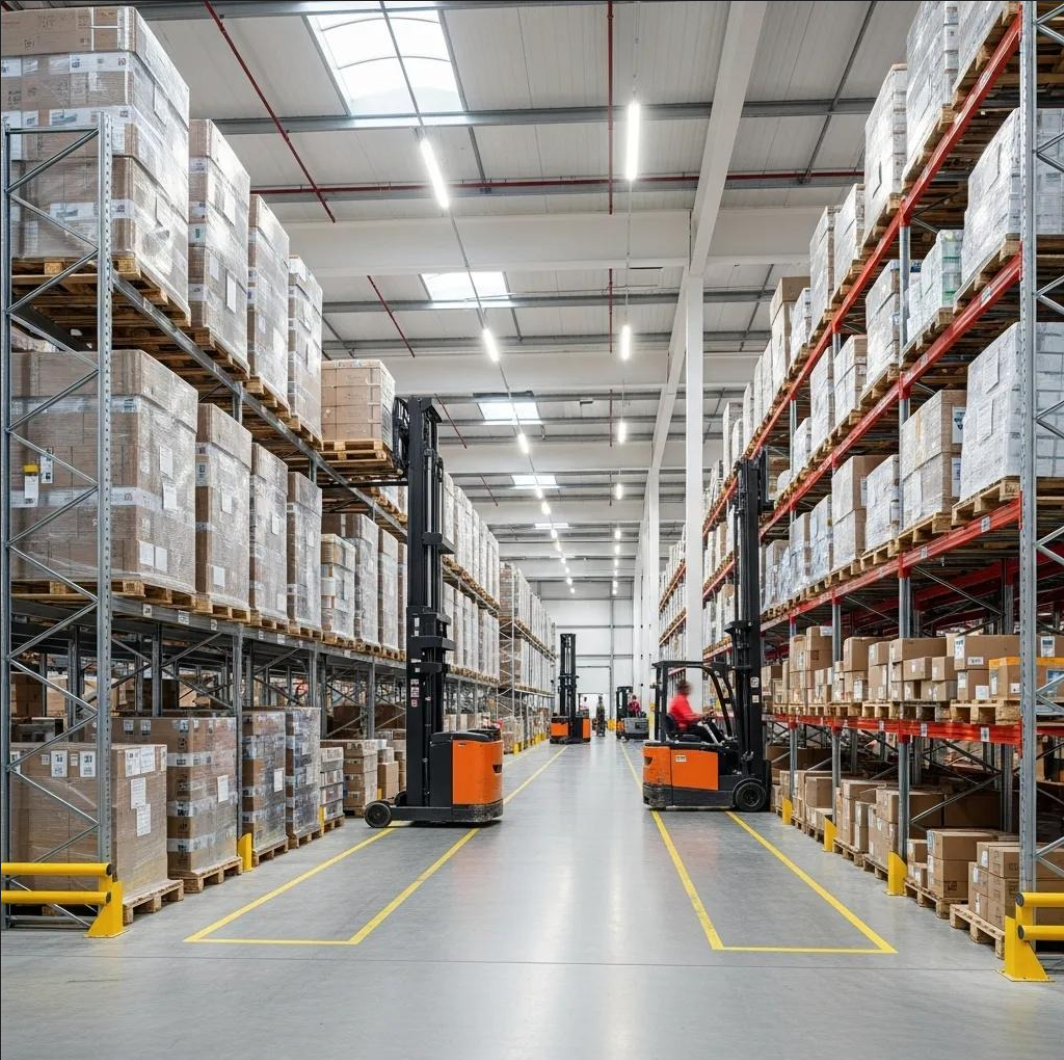
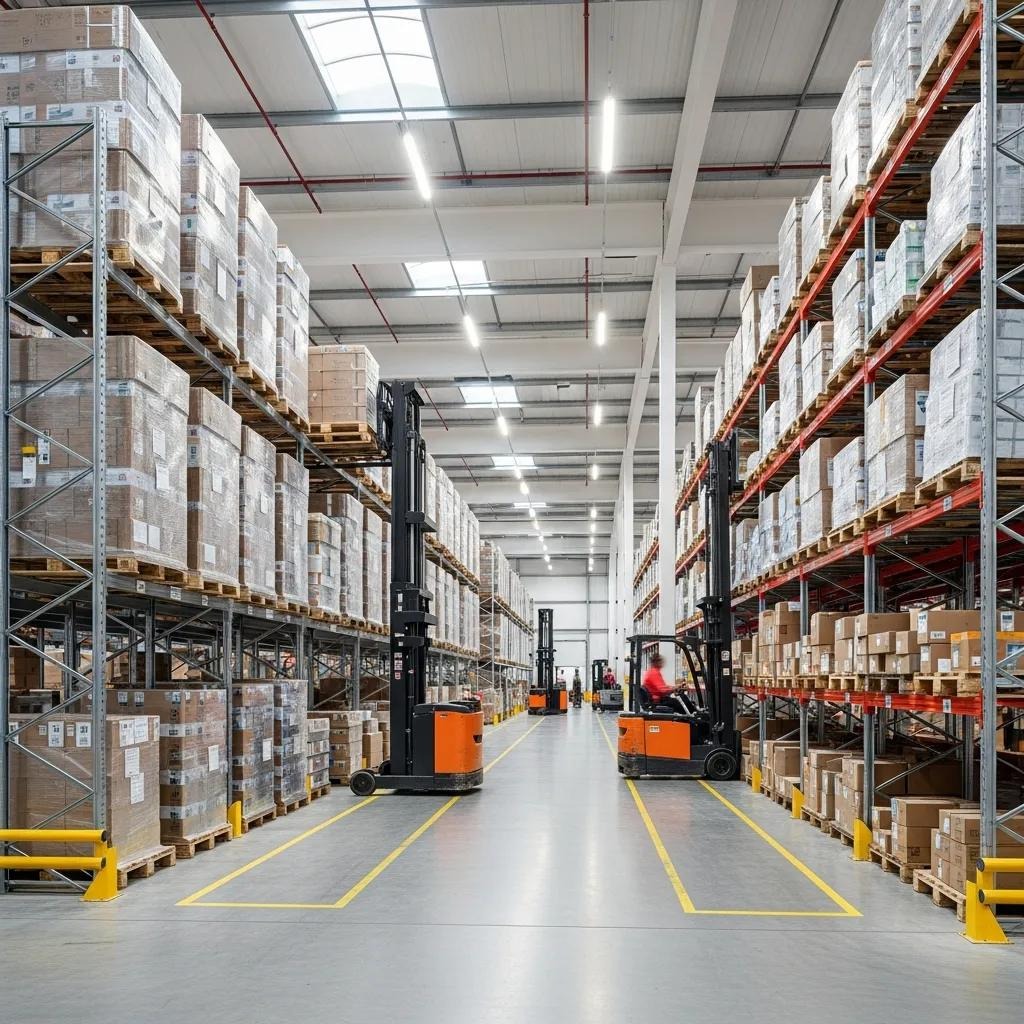
Double-deep pallet racking and drive-in racking are both efficient storage solutions designed to maximize warehouse space. Double-deep racking allows for the storage of pallets two deep, utilizing a selective racking system that requires specialized equipment for access. This system is ideal for warehouses with a high volume of similar products, as it increases storage density while maintaining accessibility. On the other hand, drive-in racking enables forklifts to drive directly into the racking structure, allowing for high-density storage of pallets in a first-in, last-out (FILO) manner. This system is particularly beneficial for bulk storage and products with a limited turnover rate.
Skyteck Online is an Australian-based supplier specializing in storage and hardware solutions, including pallet racking systems. Their expertise in providing tailored storage solutions can help businesses choose the right racking system for their specific needs.
Definition and key features of Double-deep Pallet Racking
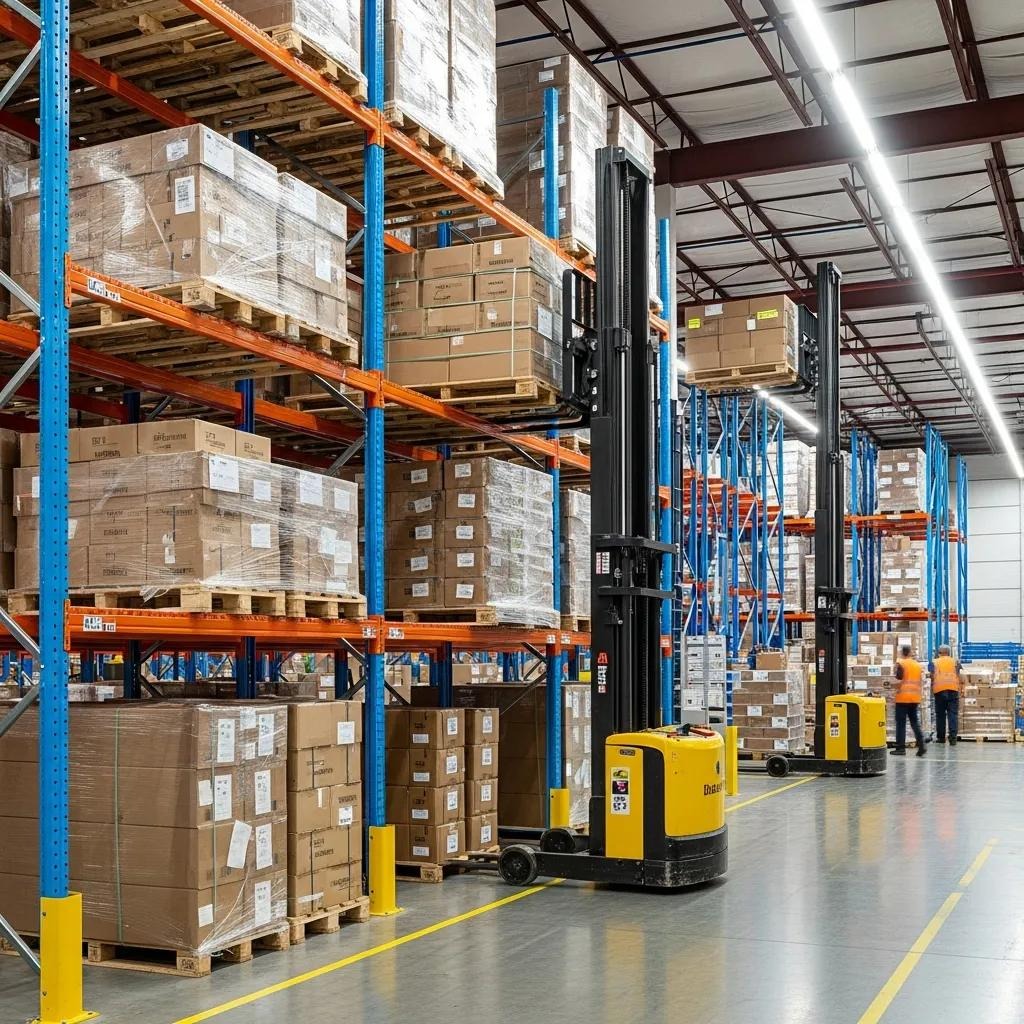
Double-deep pallet racking is characterized by its ability to store pallets two deep, effectively doubling the storage capacity compared to traditional selective racking. This system requires specialized forklifts, such as reach trucks, to access the pallets stored in the back row. The key features of double-deep racking include:
- Increased Storage Density: By utilizing vertical space more efficiently, double-deep racking can significantly increase the number of pallets stored within a given area.
- Specialized Equipment Requirements: The need for specific forklifts to maneuver in narrow aisles is a consideration for warehouses adopting this system.
- LIFO Inventory Management: This system is best suited for products with a last-in, first-out (LIFO) inventory management approach, making it ideal for warehouses with limited product variety.
Overview and characteristics of Drive-in Pallet Racking
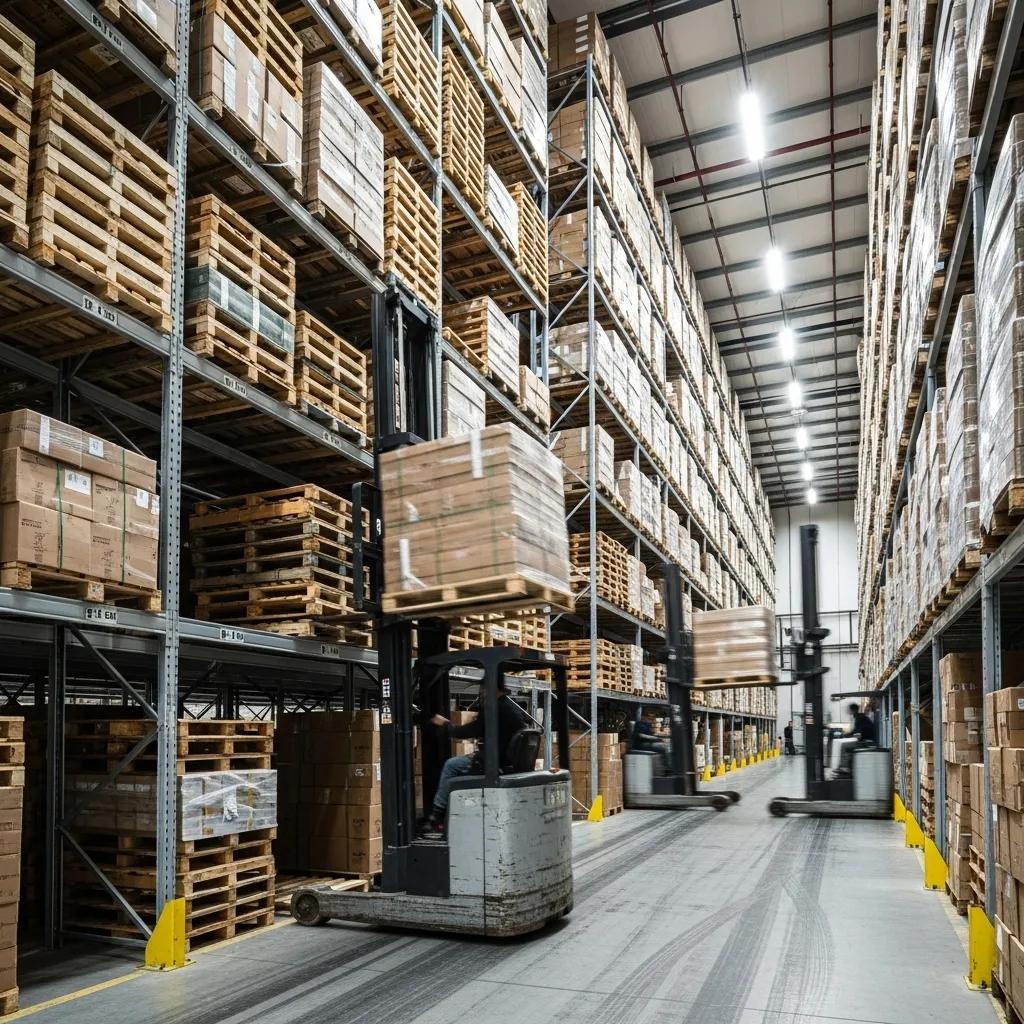
Drive-in pallet racking is designed for high-density storage, allowing forklifts to drive directly into the racking structure. This system is particularly advantageous for bulk storage and products with a low turnover rate. The main characteristics of drive-in racking include:
- Maximized Storage Density: Drive-in racking can store a large number of pallets in a compact space, making it an efficient choice for warehouses with limited floor space.
- FILO Inventory Management: This system operates on a first-in, last-out (FILO) basis, which is suitable for products that are not frequently rotated.
- Bulk Storage Suitability: Drive-in racking is ideal for storing large quantities of similar products, such as beverages or canned goods, where quick access is not a priority.
Storage capacity advantages of Double-deep Pallet Racking
Double-deep pallet racking provides several storage capacity advantages, particularly in environments where space is at a premium. The ability to store pallets two deep allows for a higher number of pallets per square foot compared to traditional racking systems. This increased capacity can lead to reduced storage costs and improved inventory management. Additionally, double-deep racking is ideal for warehouses that handle a large volume of similar products, as it maximizes the use of available space while maintaining accessibility to the front pallets.
Space utilization efficiency of Drive-in Racking layouts
Drive-in racking layouts are designed to maximize space utilization by allowing forklifts to drive directly into the racking system. This design enables warehouses to store a greater number of pallets in a smaller footprint, making it an efficient choice for bulk storage. However, the trade-off is that access to pallets stored deeper in the system can be limited, which may not be suitable for operations requiring frequent access to a variety of products. Understanding the specific storage needs and turnover rates of products is essential when considering drive-in racking for a warehouse.
What are the safety standards and operational considerations for each racking system?
Safety standards and operational considerations are critical when implementing either double-deep or drive-in racking systems. Both systems must comply with local safety regulations and industry standards to ensure safe operation. Key considerations include:
- Safety Compliance Requirements: Regular inspections and maintenance of racking systems are necessary to prevent accidents and ensure compliance with safety regulations.
- Operational Best Practices: Training for forklift operators and staff on the specific requirements of each racking system is essential for safe and efficient operation.
- Equipment Safety Considerations: The use of specialized equipment, such as reach trucks for double-deep racking, requires additional training and adherence to safety protocols.
How do installation costs and maintenance requirements differ between the two systems?
The installation costs and maintenance requirements for double-deep and drive-in racking systems can vary significantly based on the complexity of the system and the equipment needed.
- Cost Factors for Installation: Double-deep racking may require a higher initial investment due to the need for specialized forklifts and equipment. In contrast, drive-in racking can be more cost-effective for bulk storage but may require additional safety measures.
- Maintenance Needs: Both systems require regular maintenance to ensure safety and efficiency. However, the specialized equipment used for double-deep racking may incur higher maintenance costs over time.
- Long-term Expenses: Evaluating the long-term operational costs, including maintenance and potential equipment upgrades, is crucial for making an informed decision between the two systems.
Which industries and use cases benefit most from Double-deep versus Drive-in Racking?
Different industries and use cases can benefit from either double-deep or drive-in racking systems based on their specific storage needs.
- Ideal Industries for Double-deep Racking: Industries that handle a high volume of similar products, such as food and beverage distribution, can benefit from the increased storage density offered by double-deep racking.
- Use Cases for Drive-in Racking: Drive-in racking is particularly advantageous for industries that require bulk storage of products with low turnover rates, such as manufacturing and wholesale distribution.
- Market Trends: As e-commerce continues to grow, the demand for efficient warehouse storage solutions will increase, making both racking systems valuable for businesses looking to optimize their operations.